UNCP Strategic Plan
Vision 2031
Vision 2031
UNC Pembroke's Board of Trustees officially approved Vision 2031 on February 20, 2026, setting a clear and confident direction for the next five years. Developed through months of collaboration and campus-wide engagement, Vision 2031 reflects the voices of faculty, staff, students, trustees, alumni and community partners. It honors who we are — and defines where we are going. Vision 2031 sharpens our focus on:
- Student success
- Academic excellence and innovation
- Regional impact and workforce development
- Operational strength and institutional sustainability
- A culture of belonging and opportunity
More than a document, Vision 2031 is a framework for action. It aligns our priorities, guides investment and establishes measurable goals that will hold us accountable for progress. It ensures that every classroom, lab, studio and office contributes to a shared mission — expanding access, elevating excellence and preparing students for what's next.
As we move forward together, Vision 2031 will shape decisions, strengthen partnerships and accelerate UNCP's impact across the region and beyond.
Grounded in Purpose
At UNCP, we've never been afraid to think boldly or dream bigger. Our strategic plan is our promise to continue opening doors, inspiring progress and creating opportunities that reach far beyond our campus. The “why” of Vision 2031 is encapsulated in our strategic vision and as we move from vision to action, our direction and values will guide all we do and decide, focusing our choices and actions.
Our Strategic Vision
By 2031, UNC Pembroke is recognized as the regional university of choice where tradition fuels belonging, innovation drives opportunity, and personal attention accelerates student success. With intentional affordability, bold investments and strong community partnerships, UNCP delivers academic excellence. We shape economic vitality and community progress across southeastern North Carolina and beyond.
Our Strategic Direction
UNCP delivers high-quality, affordable education through innovative programs and personal support rooted in a proud tradition, access and service. We inspire and equip students to reach their fullest potential, preparing them for careers, leadership and meaningful impact in their communities and beyond. As a catalyst for intellectual growth and economic vitality, UNCP is shaping the future of southeastern North Carolina.
The Values That Guide Us
Communication: We foster consistent and respectful dialogue. By actively seeking input from broad groups of stakeholders and listening with intent and genuine interest, we enhance trust and transparency.
Innovation: We champion creative and forward-thinking approaches in teaching, learning, research and operations. We cultivate exploration, responsible risk-taking and the development of new ideas that improve educational and institutional outcomes.
Opportunity: We unlock experiences and resources that stimulate personal and professional growth inside and outside the classroom. By empowering students, faculty and staff, we create a community where everyone discovers their purpose and thrives.
Service: We embrace service as a calling. We give back through purposeful engagement and shared expertise that enriches lives, builds student empathy and leadership and inspires a lifelong passion for service in our communities.
Collaboration: We work together across disciplines and communities, valuing shared goals, respectful partnerships and collective impact that strengthens our university and region.
Resilience: We build on the strength and vision of our founders and adapt with purpose. Demonstrating perseverance and flexibility in the face of challenges, we will form a future grounded in tradition and effectively navigate change.
Pillars
Comprehensive Student Success
Implement a comprehensive, data-informed approach to identify and mitigate financial barriers to student success by integrating financial indicators,engagement behaviors and institutional investment strategies to reduce breaks in enrollment (stop-outs), withdrawals, reduction in course schedule hours and time to degree.
Develop and refine differentiated admission pathways and targeted academic support structures that proactively address variations in student academic preparation, ensuring access to resources that promote a successful transition to college-level work and persistence. Utilize this opportunity to recognize, prioritize and strategize around key populations including graduate, undergraduate, fully online, fully on-ground, part-time, full-time, traditional, adult learners and transfer students.
Advance student progression through regularly scheduled assessment and improvement planning for student admissions and academic preparation,student academic support programs, pedagogical professional development,coordinated academic advising, streamlining the curriculum, expanded experiential learning mechanisms and flexible scheduling options to enable students to successfully complete coursework, maintain academic standing and progress through degree requirements on time.
Strengthen institutional effectiveness by aligning admissions, academic, student life, housing, financial aid and administrative processes through collaborative structures, shared data systems, consistent communication and collective accountability for student enrollment, retention and success outcomes.
Promote a supportive institutional environment that enhances student engagement, sense of belonging and mental and physical well-being through targeted strategies that meet the diverse needs of all student populations, resulting in improved persistence through completion.

Academic Excellence & Innovation
Advance creativity and continuous improvement in teaching, research and academic programming that prepares graduates for the future of work and lifelong success by investing in strategic areas and leveraging emerging technologies.
Systematically review, redesign and create academic programs to embed future-oriented competencies — including digital fluency, critical thinking, ethical reasoning, professional and technical writing, interdisciplinary problem-solving, data literacy and strong levels of experiential learning — thereby ensuring graduates are prepared for evolving workforce demands, community engagement and leadership as well as lifelong learning.
Expand professional development for the adoption of evidence-based, learner-centered pedagogies and instructional technologies that enhance student engagement, personalized learning platforms and academic outcomes across all modalities.
Invest in high-impact, interdisciplinary research aligned with institutional priorities and societal needs, leveraging emerging technologies to increase external funding, scholarly productivity and undergraduate research engagement along with real-world application.
Establish financial supports, structures, incentives and professional development pathways that empower faculty and academic leaders to continuously assess, refine and innovate curricula, pedagogy and scholarly activity in alignment with institutional goals.
Strategically integrate personalized learning platforms, artificial intelligence, data analytics and other emerging technologies to improve student academic support, teaching effectiveness, academic advising, student success program assessment and curricular reform while maintaining academic integrity.
Value, Accessibility & Efficiency
Sustain high-quality education that is accessible and affordable on purpose by lowering student cost of attendance and debt, investing in faculty and staff and improving institutional efficiency and stewardship of resources.
Grow external resources and philanthropy by strengthening fundraising capacity, expanding corporate and community partnerships and increasing competitive grant activity to advance institutional priorities and reduce reliance on limited recurring funds.
Invest in faculty and staff while modernizing institutional processes to strengthen employee experience, build leadership and technical capacity, reduce administrative burden and improve service delivery and operational effectiveness.
Enhance and invest in physical spaces by prioritizing facility improvements, deferred maintenance and strategic capital investments that support student success, academic excellence and operational effectiveness while optimizing classroom utilization.
Maintain and maximize the value of NC Promise as a defining commitment to access while advancing broader student affordability strategies that reduce unmet need, and student debt across all populations.
Economic Impact & Community Engagement
Catalyze economic growth and expand opportunities that enhance and enrich quality of life across southeastern NC and beyond through service learning, entrepreneurial initiatives, work‑integrated learning experiences and strategic collaboration with regional industries, schools and community organizations.
Harness the institution's history, cultural legacy and role as an anchor institution to strengthen regional partnerships, advance Indigenous and rural community priorities and generate sustainable economic and educational outcomes.
Strengthen regional economic development by expanding high‑quality partnerships that support employer attraction and retention; build workforce pipelines; advance applied research; and enable entrepreneurship and small‑business growth.
As a steward of place, align academic, co‑curricular, community engagement and public‑facing programming to address regional priorities — including health, education, cultural vitality and access — so that university expertise, facilities and partnerships deliver measurable social outcomes for communities across southeastern North Carolina.
Foster a shared institutional culture of engagement that strengthens connections with alumni and donors in support of institutional priorities. Cultivate donor interaction, alumni identity, pride and affinity through meaningful academic, professional and community‑based experiences that encourage lifelong involvement, advocacy and philanthropic support.
Planning and Engagement Process
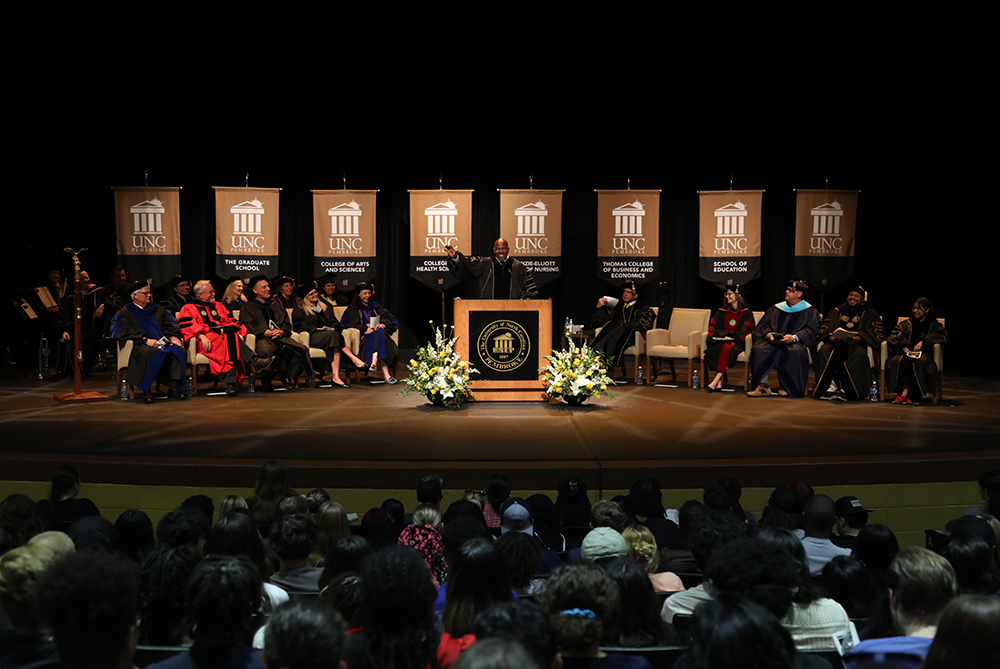
Our Why
Every strategic plan begins with a shared purpose — the reason we exist and the difference we strive to make. For UNC Pembroke, that purpose is rooted in access, opportunity and impact. This plan builds on our proud history and 2020-2025 strategic plan while looking ahead to what's possible when we go beyond together.
Student success is our foundation and our future. Our goal was to build a plan that reflects who we are today: a campus that is resilient, innovative and deeply connected to the people and places we serve, while charting a bold course for the future.
Our planning process brought together voices from across the community including faculty, staff, students, alumni partners and donors through listening sessions, surveys and working groups.

Our Process
- BOT Strategic Retreat, September 2024 Completed
- Creation of BOT Strategic Initiatives & Enrollment (SIE) Committee, September 2024 Completed
- Cabinet Working Sessions & Retreat, Fall 2024, Completed
- Kick-Off Town Hall, March 2025 Completed
- Steering Committee Charged, Summer 2025 Completed
- Faculty, Staff, Student, Alumni and Community Focus Groups, March 2025 Completed
- Survey: Pillars, Vision & Values, October -November 2025 Completed
- Stakeholder Survey, October-November 2025 Completed
- Charrette, October 2025 Completed
- Town Hall Update, November 2025 Completed
- Pillars, Vision & Values approved by BOT, November 2025 Completed
- Objectives and Metrics approved by BOT, February 2026 Completed
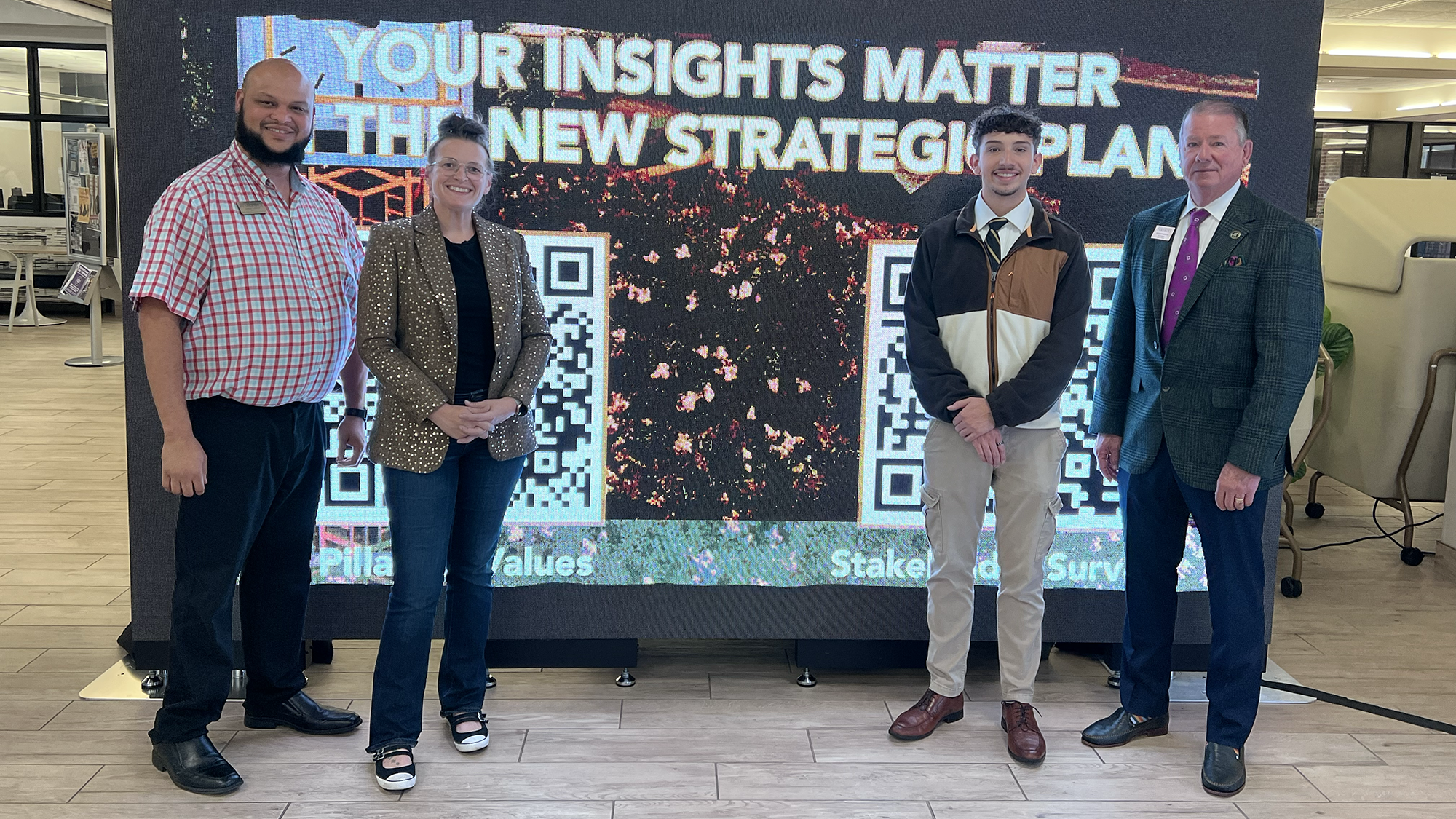
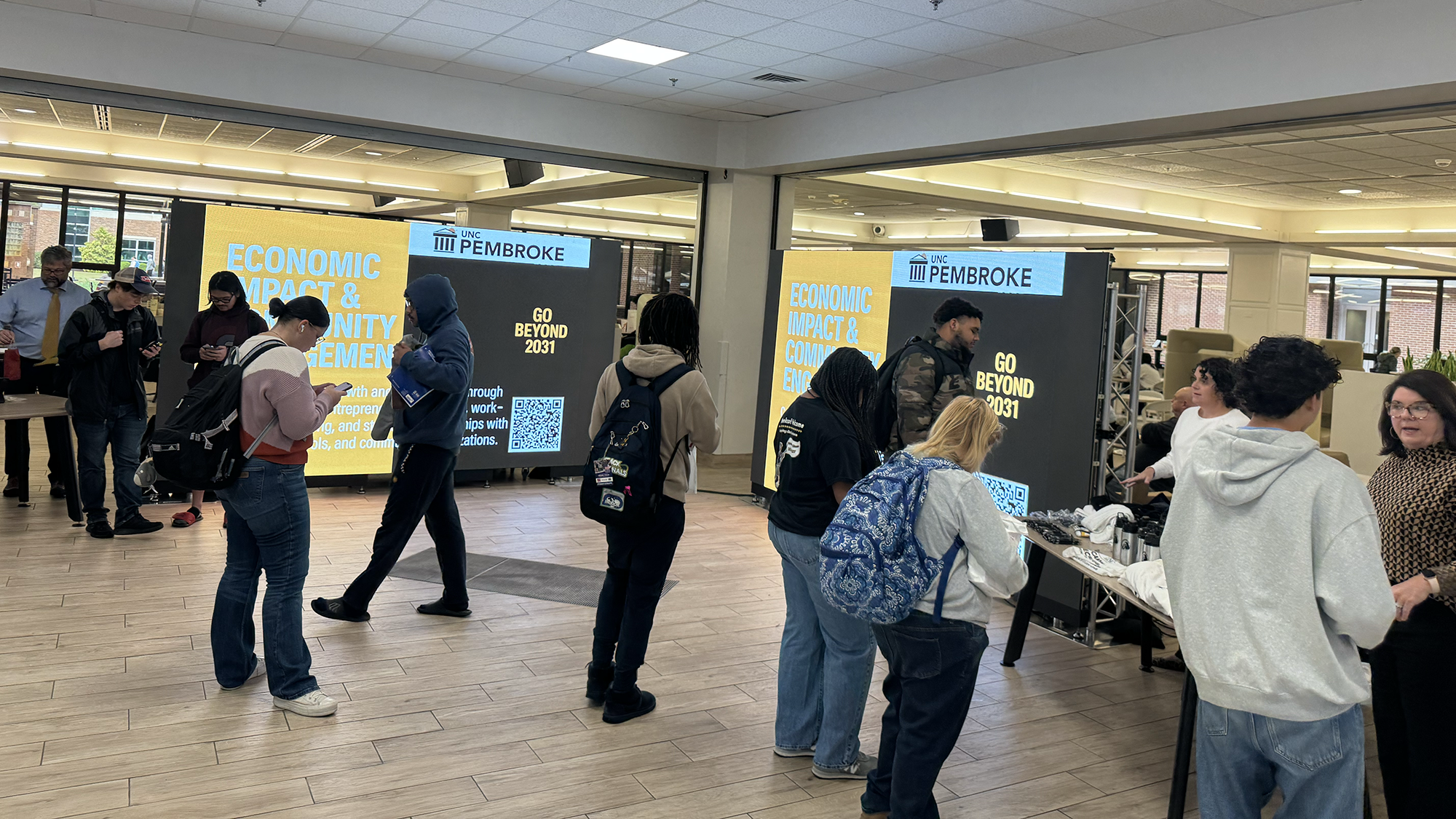
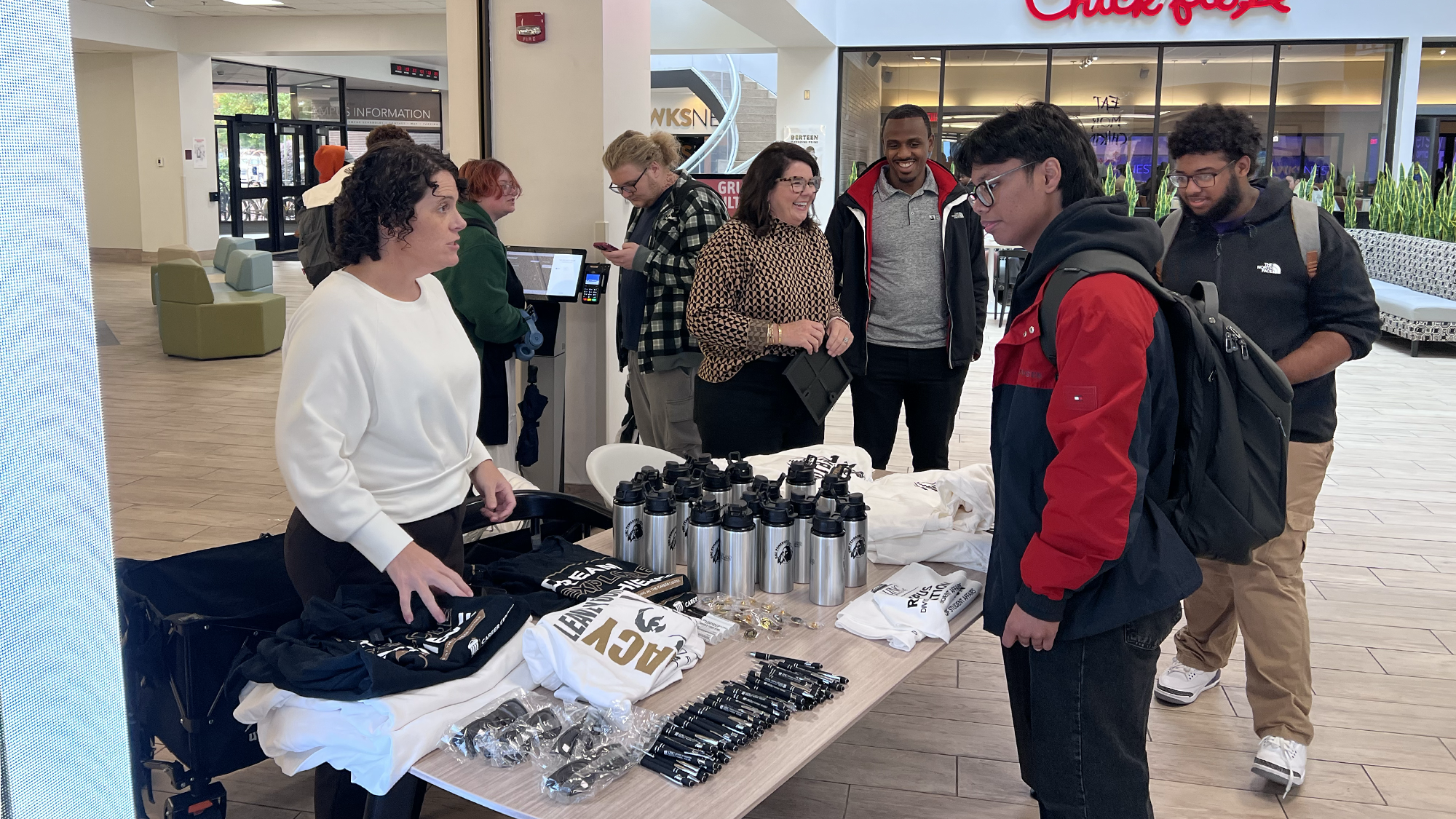
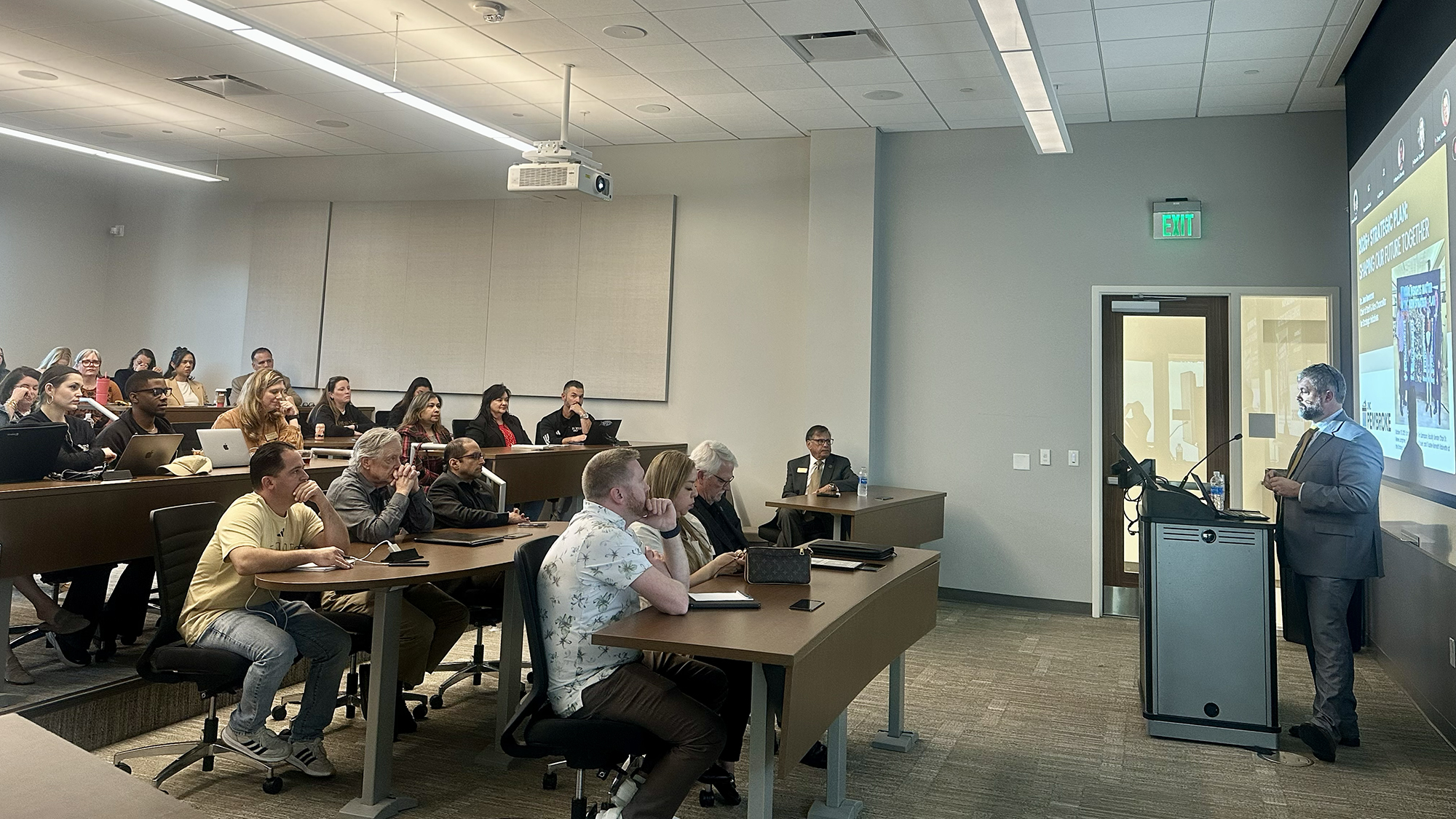
Leading the Way.
A steering committee guided the strategic planning process, synthesized feedback and analyzed key trends to ensure the final plan reflects our shared values and goals.
| Member | Title |
|---|---|
| Ashley Batts Allen, PhD | Associate Dean for the College of Art & Science, Professor of Psychology |
| Nachiket Bhawe, PhD | Associate Professor of Management, Thomas College of Business & Economics |
| Jess Boersma, PhD, MSBA, MBA, PMP | Vice Chancellor for Strategic Initiatives, Chancellor's Office, Strategic Plan Committee Chair |
| Dick Christy | Director of Athletics, Cabinet Liaison |
| Karen Granger, EdD | Chair and Associate Professor of Specialized Educational Programs, Faculty Senator |
| General (Ret.) Allen Jamerson | Alumni Representative and Former UNCP Board of Trustee Chair |
| Tyler Patterson | Student Representative |
| Christie Poteet, EdD | Assistant Vice Chancellor for Student Affairs, Past Co-Chair, 2020-2025 Strategic Planning and Resource Council |
| Angela Revels | Assistant Vice Chancellor for Human Resources, Chief HR Officer |
| Kenneth Robinette | UNCP Trustee, Economic Development and SIE Committee Member |
| Timothy Sampson | Staff Senate Chair, Director of Financial Aid and Scholarships |
| John Squier | SGA President and UNCP Trustee, Student Representative and SIE Committee Member |
| Summer Woodside, PhD, LCSW, LISW-CP | Chair and Professor of Social Work, Faculty Senator |